Professors
Teaching tools, evidence & classroom use.

Multilingual Anatomy Learning Is More Than Translation
How MeduTechs helps international learners move between familiar language and formal medical terminology.
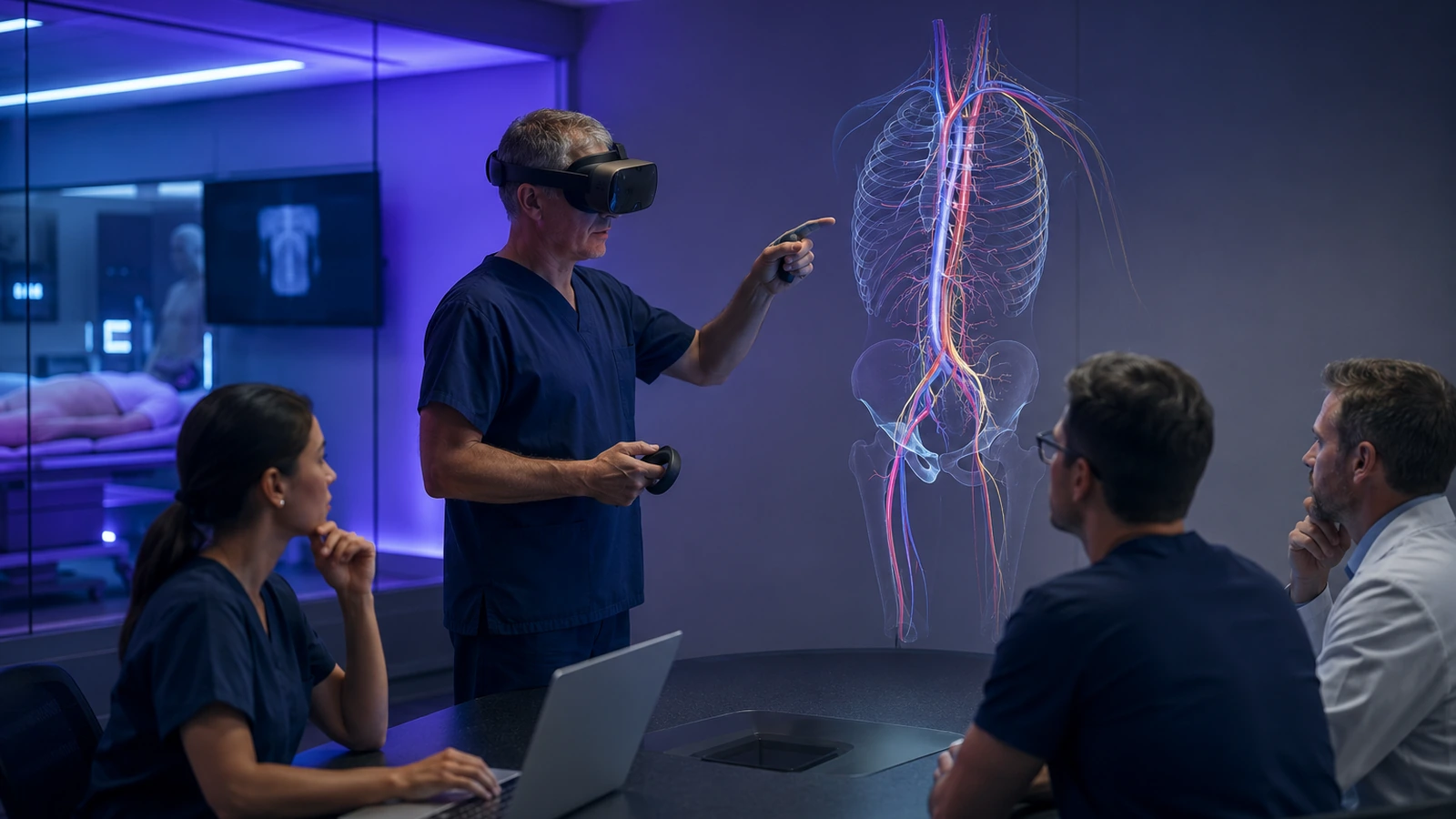
VR Anatomy in Simulation Centers Needs a Focus Mode
How teaching hospitals can use immersive anatomy without adding cognitive clutter to training.

3D Anatomy for Clinics When Explanation Time Is Tight
How specialists can make patient education clearer without turning appointments into mini lectures.

Professor-Controlled AI Anatomy Starts With Better Notes
Why educators need editable anatomy explanations before AI becomes part of the classroom.

How Anatomy Faculty Can Use AI Feedback Without Flattening Spatial Reasoning
A week 2 faculty guide to using AI-supported anatomy feedback in ways that preserve retrieval, orientation, and student thinking instead of replacing them.

How Medical Schools Can Turn an AI Pilot Into Precision Education
A week 2 guide for deans and curriculum leaders who want an anatomy AI pilot to become a governed learning system instead of a one-semester experiment.

Why Precision Education Signals Matter in Med Ed AI Deals
A week 2 investor brief on why funded precision-education programs are a stronger 2026 signal than broad AI hype in medical learning.

How Simulation Centers Can Tie VR Anatomy to Precision Education
A week 2 strategic-partner guide for moving VR anatomy from impressive demo status into a governed, repeatable training workflow.

A Practical Anatomy Explanation Workflow for Clinics
Patients rarely need more words. They usually need the anatomy made visible, simple, and relevant to the decision in front of them.

How Doctors Can Use Anatomy Visuals to Improve Patient Understanding
A practical explanation workflow for clinicians who need clearer consent and consultation conversations without turning the room into a lecture.
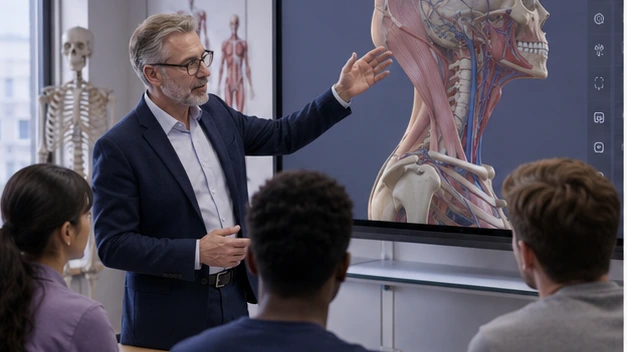
What Professor-Controlled AI Anatomy Teaching Should Look Like
A faculty-first framework for using AI and 3D anatomy tools without turning your course into passive shortcut learning.

How Medical Schools Can Pilot AI Anatomy Tools Without Losing Curriculum Control
A practical governance-first pilot plan for universities that want innovation without handing their anatomy teaching to a black box.
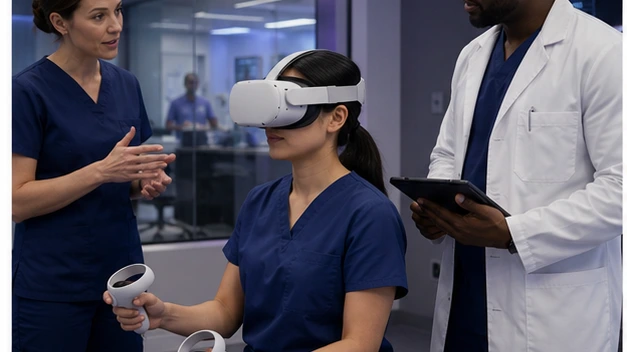
How Teaching Hospitals Can Add VR Anatomy Without Building a New Lab
A partner-focused framework for simulation centers and hospital education teams that want repeatable anatomy refreshers without a massive infrastructure reset.

How Teaching Hospitals Can Add VR Anatomy Without Building a One-Off Pilot
A repeatable simulation and refresh-training model for partners who care about scale, ownership, and evidence.
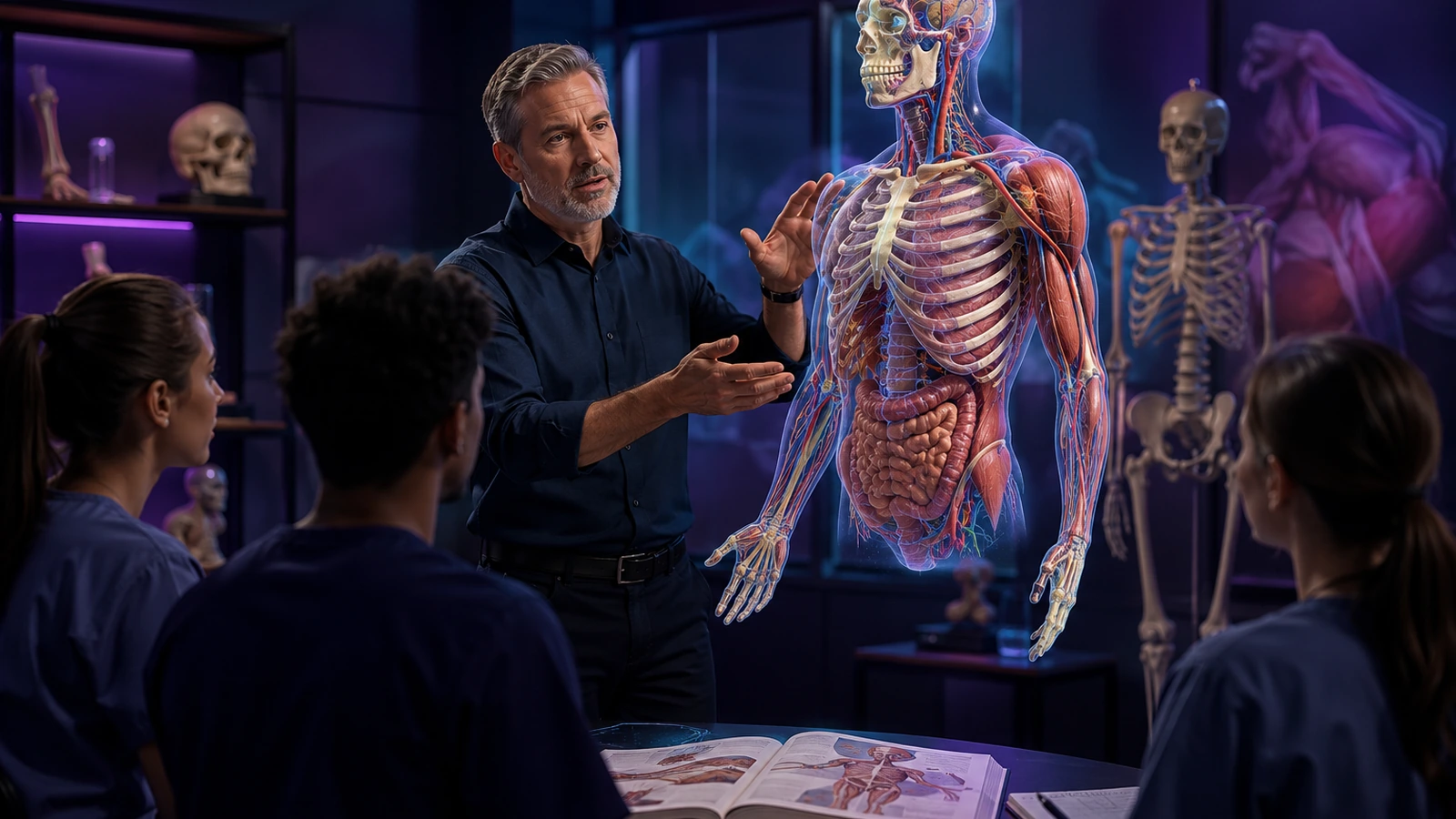
What Professor-Controlled AI Anatomy Teaching Should Look Like
A classroom framework for anatomy educators who want better student reasoning without outsourcing judgment.

How Medical Schools Should Pilot AI and VR Anatomy in 2026
A governance-first rollout plan for deans, curriculum leads, and digital learning teams.

Why Academic-Trust Medical AI Is a Stronger 2026 Moat
A diligence framework for investors tracking anatomy AI, immersive learning, and workflow-specific defensibility.

How Anatomy Professors Can Use AI Without Encouraging Shortcut Learning
A faculty-first workflow for keeping anatomy AI useful without rewarding shallow fluency.

How Medical Schools Can Run an Anatomy AI Pilot Faculty Will Approve
A practical pilot design for anatomy AI that respects faculty control, rollout discipline, and evidence quality.

Why Trust-Layer Medical AI Is a Better Bet Than Generic Study Bots
A diligence framework for separating generic answer bots from governed medical education infrastructure.